ChatGPT Ads Just Moved Into HubSpot and Shopify
OpenAI's first CRM and ecommerce integrations move campaign work closer to the customer data and catalog a marketer already uses.

OpenAI put ChatGPT Ads inside HubSpot and Shopify on September 16. For marketers, the new ad unit is less interesting than the workflow change: campaigns can now begin where customer records and product catalogs already live.
OpenAI calls HubSpot and Shopify its first CRM and ecommerce partners. In HubSpot, the company says businesses can connect a ChatGPT Ads account, create ads, track performance, and follow up on leads using their HubSpot context. In Shopify, U.S. merchants can create and manage campaigns from a new app, with their catalog already connected. The company says the Shopify app will reach other eligible markets on September 23.
The Shopify listing makes the mechanics clearer. A merchant can create or connect an ad account, sync a product catalog, build product-led ads, add a Shopify pixel and conversion events, then manage the campaign without leaving Shopify. That is the first useful version of a ChatGPT Ads workflow for a smaller commerce team. It removes the extra export, feed setup, and measurement handoff that turn a test into an operations project.
OpenAI put its own rationale plainly in the announcement:
“Adopting a new advertising channel shouldn’t require businesses to rebuild the way they work.”
That’s a sensible promise, though it isn’t proof that the channel performs. OpenAI hasn’t published conversion rate, cost per acquisition, return on ad spend, sample size, or a comparison period for either integration. Shopify’s public app page had only seven ratings when checked, including reports of both an installation issue and a successful event test. The pipes are new. The economics are still unknown.
The campaign is moving closer to the record
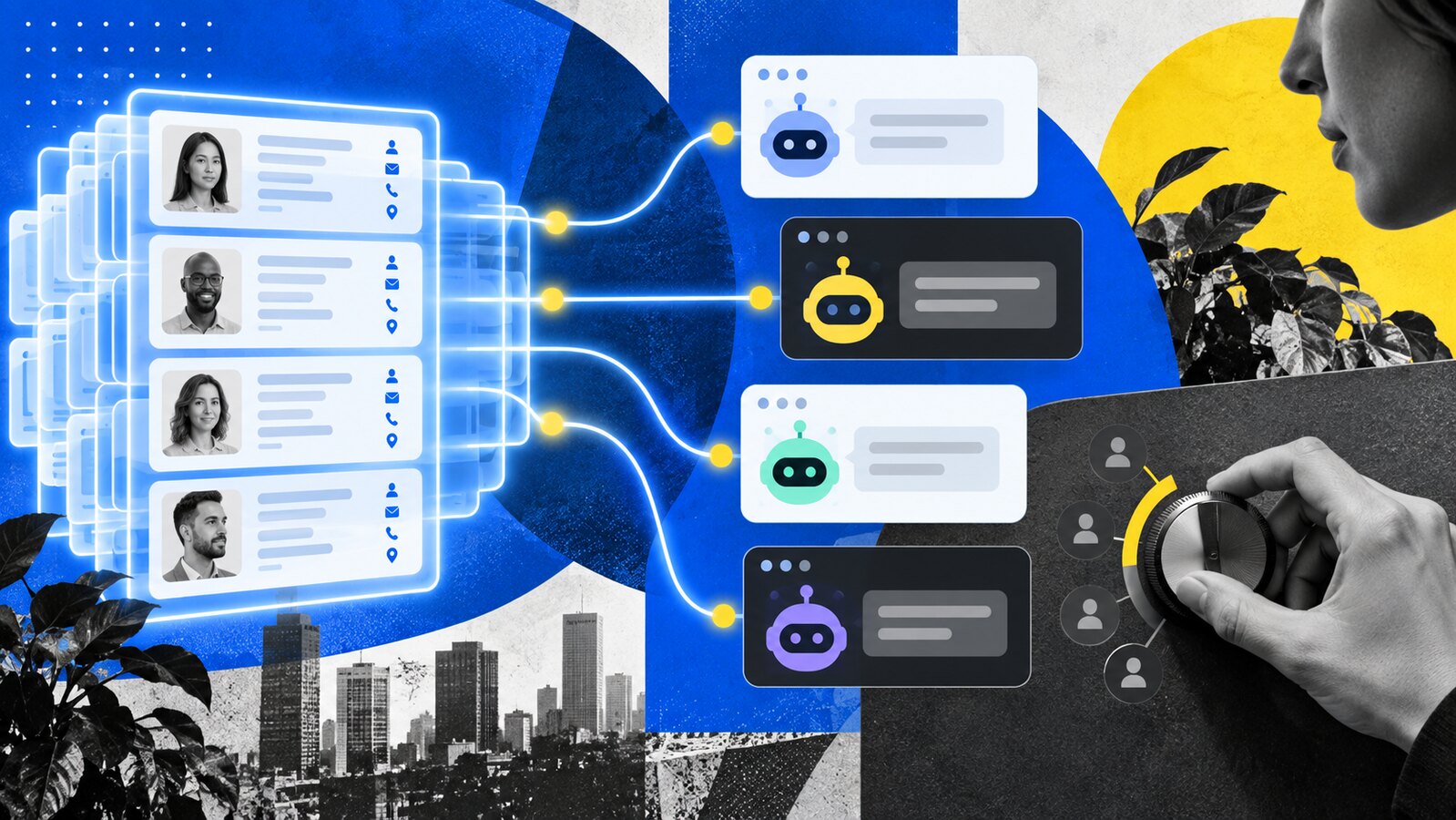
The important change is where the campaign gets managed after someone clicks. A paid media team normally has to move performance data and lead context between the ad platform, CRM, analytics tool, and a store. The HubSpot integration puts ChatGPT campaign activity beside contacts, lifecycle stages, and follow-up workflows. The Shopify app puts the catalog, pixel, conversion events, and campaign controls in the same admin environment.
That does not make ChatGPT Ads a closed loop. The marketer still needs to decide which conversion event counts, how a qualified conversation is identified, what gets written to the CRM, and whether sales should act on it. But it can make the handoff visible much earlier. A channel test is easier to evaluate when the person buying ads and the person managing the lead see the same record.
This is a distinct step from OpenAI’s earlier Sponsored Agents story. That product moves the post-ad destination into a labeled conversation with a business-sponsored agent. The HubSpot and Shopify integrations address the other side of the workflow: who creates the campaign, where the product data comes from, and where the resulting customer signal goes. It also builds on the idea in Shopify’s WebMCP rollout that a store’s data needs to be legible to the systems around it.
OpenAI also announced an Ads Manager plugin that lets advertisers create, update, and analyze campaigns with natural-language prompts. It can turn a website or brief into a campaign, suggest copy and imagery from a landing page and objective, and adapt approved headlines and descriptions to the conversation and a user’s preferred language. Advertisers can review and edit the suggested creative before using it.
That will save time on the mechanical work. It also makes governance more important. If a campaign begins with a prompt and a catalog, the approved product feed, claim library, localization rules, and exclusions have to be sound before the AI assistance makes them faster. Reuters reported that the Sponsored Agents test is still limited to select U.S. advertisers.
Don’t confuse availability with evidence
The strongest counterargument is that this may be mostly distribution packaging. HubSpot already supports a wide range of ad channels, and Shopify already lets merchants manage many sales channels from its admin. An integration does not create buyer demand, trustworthy measurement, or a new inventory of high-intent conversations.
That objection is fair. The company is adding workflow features while the core ad product is still proving itself. No marketer should treat a fast setup as a reason to shift meaningful spend before the reporting is credible.
The move worth making now is operational, not budgetary. Map the fields a ChatGPT Ads lead or order would need to carry into your CRM: campaign, product or product group, original question or context where appropriate, conversion event, owner, and follow-up status. Then identify the product-feed errors and claims you would not want AI-assisted creative to amplify. Those checks will matter whether the next channel is ChatGPT, a search assistant, or the ad platform you already use.
ChatGPT Ads just became easier to switch on. The teams that learn something from it will be the ones that can connect the impression to the customer record and the customer record to revenue.
Quoted in this story
- David Dugan, Head of Global Advertising Solutions, OpenAI (source)
- Kipp Bodnar, Chief Marketing Officer, HubSpot (source)
Want your perspective in coverage like this? Get quoted.
Sources
- OpenAI: Reimagining advertising with AI
- Shopify App Store: ChatGPT Ads
- Reuters: OpenAI tests advertiser-sponsored agents, expands AI tools for ChatGPT ads
This story is part of our running coverage: The State of the AI Marketing Stack →
Get Net Effect, our Monday newsletter.
Net Effect is The State of AI Marketing's Monday recap: how AI is changing marketing, the moves brands are making, and what to do next.
Trouble loading the form? Open the signup form .