Shopify Plans Muse Checkout. Amazon Blocks the AI Shopper.
One retailer is building a checkout path for Meta's agent. The other has barred it. Brands now face a distribution question that product-page optimization alone can't solve.

Amazon put a stop sign in front of Meta’s shopping agent on September 20. The next day, Shopify announced a checkout partnership with the same agent.
The two decisions change what a customer can ask Muse to buy. A merchant on Shopify has a planned route into an AI-led checkout. A seller relying on Amazon can’t assume the agent can even enter that marketplace.
Shopify CEO Tobi Lütke announced a partnership to enable purchases with Shop Pay across Shopify stores. He called it an “easy and delightful way to shop and check out with Muse.” MarketWatch reported the integration as a plan. Neither company has published a date when shoppers will be able to use this specific checkout path or a count of orders from it.
Amazon made its decision visible sooner. People directing Muse to Amazon.com saw a warning that access by an unauthorized AI agent violates Amazon’s conditions of use. An Amazon spokesperson told GeekWire that outside shopping agents should identify themselves and respect a retailer’s decision about participation. Amazon says Meta didn’t seek permission, that the agent doesn’t identify itself when it browses, and that the way it handles customer credentials raises security concerns. Those are Amazon’s claims, not established findings about a breach.
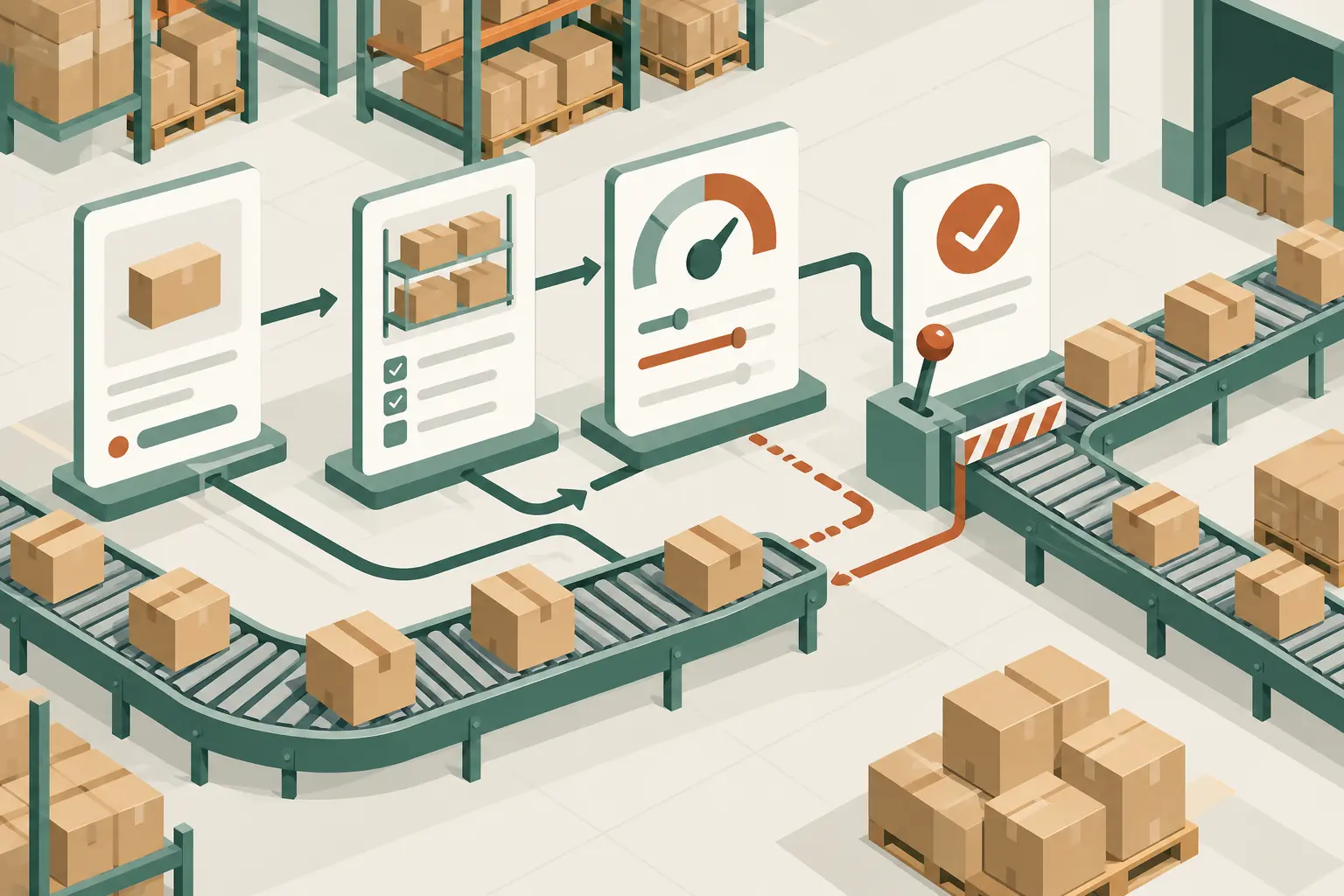
The route to a product now has two gatekeepers. The assistant chooses what to show. The retailer decides whether that assistant can shop there.
Why the two retailers made different calls
Shopify’s merchants sell through their own stores. If a customer’s agent finds a product and pays through Shop Pay, Shopify can provide the checkout and the merchant can receive the order. That gives the company a reason to make its merchant network easy for an outside agent to use. The commercial terms of the Muse deal haven’t been disclosed.
Amazon runs its own shopping destination, where it controls search, recommendations and ads as well as checkout. An outside assistant doing the browsing on a customer’s behalf changes that experience. Amazon framed its objection around permission, identification and customer data. Its business incentives are relevant context, but they don’t prove which of those concerns drove the decision.
Meta described the technical route when it introduced Muse on September 8. The agent uses a dedicated browser to carry out tasks for a person and asks for approval before purchases. Meta says the agent can’t see a person’s passwords or payment details, which it keeps in secure storage. Amazon disputes whether those protections and the absence of retailer consent are sufficient on its site. There hasn’t been a public demonstration resolving that disagreement.
The difference between a negotiated checkout integration and a browser trying to use a site matters. Shop Pay gives Muse a planned payment route with Shopify. Amazon says it never agreed to let Muse act inside its store. A brand can’t treat all agent visits as equivalent traffic while access rules differ by retailer.
What a marketing team can check today
For a retail brand, this is a distribution audit. List the places where customers can research and buy the product, then check which of those places allow an assistant to complete the task. Keep product specifications, availability, shipping and returns information consistent across the brand site and any marketplaces. Those details are the evidence an agent or a person needs when comparing offers. Shopify previously reported a rise in AI-driven traffic and orders; the new access dispute shows why the route to checkout needs its own measurement.
It also changes how to read an AI shopping experiment. If a product doesn’t appear in an agent’s answer, a weak product page is only one possible explanation. The agent might lack access to a marketplace that carries the product. A brand testing visibility should record the retailer, the assistant and the checkout route alongside the prompt before deciding what to fix.
For a B2B marketer, the transferable issue is simpler: an agent can research a vendor only where the vendor’s information and the buyer’s tools permit it. A pricing page or product comparison remains useful, but access and permissions can still stop a task before the content is read. That’s a new layer on top of the product-page challenge raised by Muse’s launch.
The strongest argument for Amazon’s approach is that a customer authorizing an assistant isn’t the same as a retailer agreeing to an unidentified third party operating inside its store. The strongest argument for Shopify’s is that merchants benefit when buyers can complete an authorized purchase without another trip through search. Both positions have a commercial stake. The market hasn’t yet supplied conversion data that would settle the question for brands.
Measure the access first. Until Shop Pay’s Muse integration is live and Amazon’s block changes, an agent-friendly product page alone can’t guarantee an agent can make the sale.
Quoted in this story
- Tobi Lütke, CEO, Shopify (source)
Want your perspective in coverage like this? Get quoted.
Sources
This story is part of our running coverage: The State of AI Content and Brand →
Get Net Effect, our Monday newsletter.
Net Effect is The State of AI Marketing's Monday recap: how AI is changing marketing, the moves brands are making, and what to do next.
Trouble loading the form? Open the signup form .