49% of Shoppers Say AI Product Images Lower Brand Trust
VML surveyed 28,000 digitally engaged consumers. Many use AI to narrow a purchase, then check the advice and judge the product imagery for signs of fabrication.
VML asked 28,000 digitally engaged consumers about shopping in 2026. Nearly half said AI-generated product imagery reduces their trust in a brand.
That finding lands at an awkward moment for a retail creative team. AI can produce product pictures quickly, while a buyer still needs those pictures to answer the most basic question: what will arrive in the box?
In its Future Shopper 2026 research released September 17, VML reported that 49% say AI-generated product images lower their trust in a brand. Another 48% say they skip content they believe was made with AI. The issue is the consumer’s perception; the survey doesn’t establish whether the image was actually generated or whether an individual purchase was lost.
Brent Taylor, global CEO of WPP Commerce and global commerce lead of VML, said in the report announcement that shoppers are showing “growing intentionality in who they trust.” The survey gives that observation a specific surface: the product image itself.
An image can attract a shopper and still leave them unsure what the product looks like. That uncertainty follows them into an AI-assisted buying journey.
The recommendation still gets checked
VML found that 58% of respondents cross-check AI product recommendations before purchasing. It also reports that 46% have changed which brands they consider because of an AI recommendation. Those figures describe two stages of one possible journey: an assistant can put a brand on the list, and the buyer can still inspect the evidence before paying.
The research doesn’t say the same people did both things in the same purchase. It does show why the assets that support an AI recommendation matter beyond appearing in an answer. If the shopper leaves the answer to check a brand site, a product listing or a review, the pictures and claims have to survive that second look.
That point extends our earlier reporting on shoppers checking AI advice against other sources. The new VML finding puts the creative itself under scrutiny. A high-resolution render that looks too synthetic can add doubt even when the product data is accurate.
The report also found that 53% worry AI shopping tools are commercially influenced. A sponsored-feeling recommendation followed by imagery that looks made up gives a skeptical buyer two separate reasons to verify elsewhere. That doesn’t mean every generated image hurts sales. The survey asked what people believe and how they say they react, rather than measuring a controlled campaign.
What the creative brief needs to prove
Marketers already use AI to crop images, remove backgrounds, test layouts and make variations. This survey doesn’t test any of those workflows separately. Its sharper implication concerns the image the buyer sees and judges as a representation of the product.
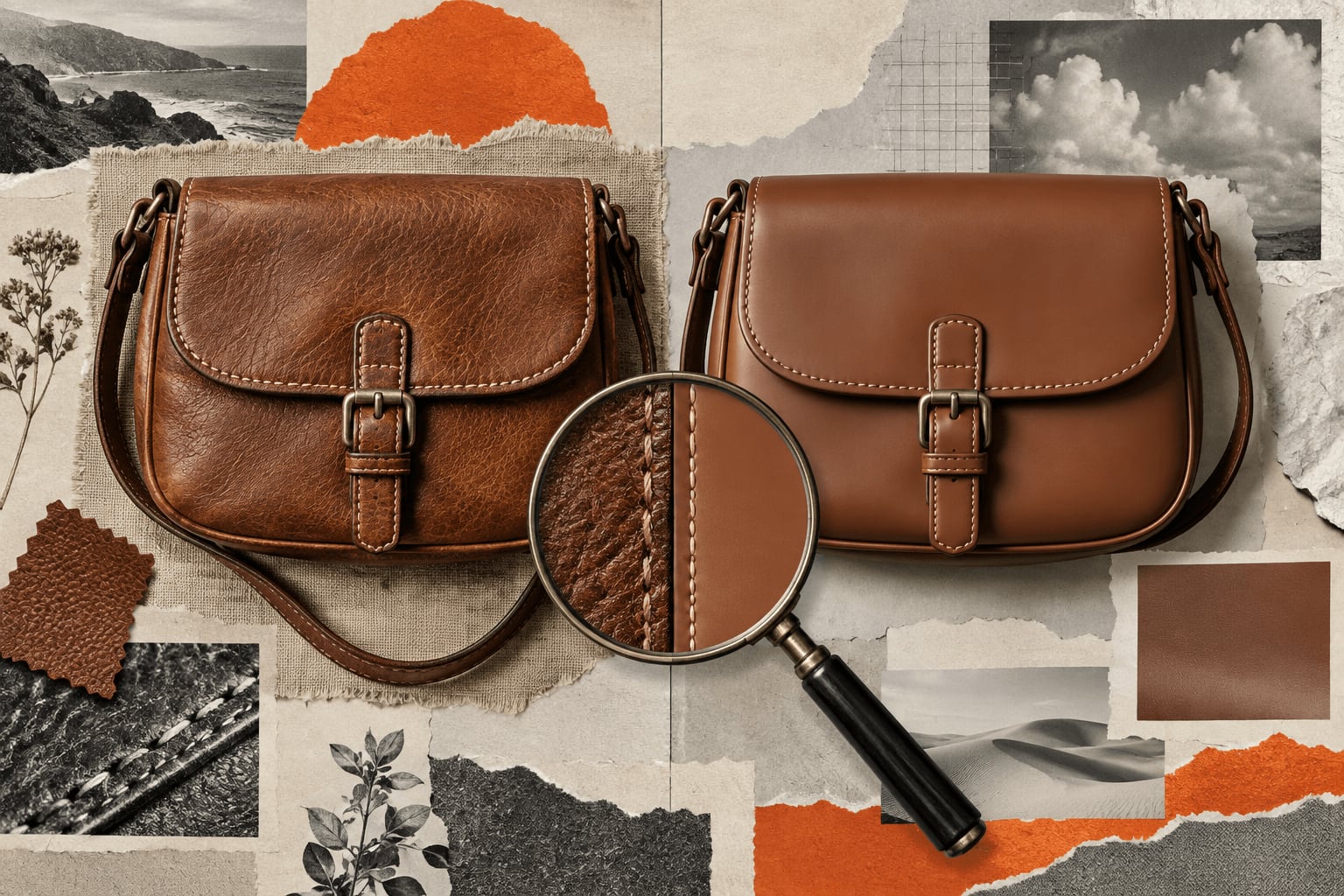
For a product detail page, show the item from useful angles, preserve its proportions, and include the features a buyer might check against an independent review. A lifestyle illustration can add context, but the primary product images have to carry factual weight. If a generated scene changes a surface, color or scale, it can make a simple comparison harder.
For a service or software brand, the equivalent is a screenshot or a result claim. A polished picture of a dashboard is only useful when the buyer can tell what the actual product does. That is the part of the lesson a B2B team can test without turning a consumer survey into a forecast for its own audience.
VML’s Neil Dawson, its global chief strategy officer, described consumers in the release as “more informed, more demanding, and more discerning than ever.” His company sells commerce and creative services, so its interpretation comes with an incentive. The sample covers digitally engaged consumers in 17 countries, and the responses are self-reported. The public summary doesn’t show a sales experiment comparing real and generated product photography.
We’ve covered the gap between advertisers’ beliefs about AI ads and consumers’ stated reactions, using IAB’s earlier consumer and advertiser survey. This result narrows that problem to a specific buying asset. It shouldn’t be read as a ban on AI creative. It gives a team a concrete question to test with its own shoppers.
Put the current product photos beside the product and ask whether the images help a buyer check color, scale and detail. Then test the image variants against trust and conversion, with returns or complaints in view. A faster creative workflow has value when the customer can still recognize what they bought.
Quoted in this story
- Brent Taylor, Global CEO of WPP Commerce and Global Commerce Lead, VML (source)
- Neil Dawson, Global Chief Strategy Officer, VML (source)
Want your perspective in coverage like this? Get quoted.
Sources
This story is part of our running coverage: The State of AI Content and Brand →
Get Net Effect, our Monday newsletter.
Net Effect is The State of AI Marketing's Monday recap: how AI is changing marketing, the moves brands are making, and what to do next.
Trouble loading the form? Open the signup form .